SoulRiddle
HomeExploreAgentsRankingLearnDocs
Log in

Choose how to continue

No signup needed to explore.Other options
Menu
HomeExploreAgentsRankingLearnDocs

Soulriddle - AI prompt community

DisclaimerPrivacyTermsCopyright

Learn

Divination & AI FAQ

AI Prompts & Tools
01What Are AI Divination Prompts?06How Do You Choose the Right AI Prompt for Your Question?07What Makes an AI Divination Prompt Clear, Specific, and Useful?08Which Personal Details Are Helpful to Include in an AI Prompt?16How Do You Customize a Community AI Prompt for Your Own Situation?17How Do You Know Whether a Community AI Prompt Is Worth Trying?22What Are AI Agents, and How Can They Support a Daily Reflection Routine?
Western Divination
02How to Use Tarot Prompts with ChatGPT09What Is a Tarot Spread, and Which One Should Beginners Try?10What Should You Include in an Astrology Birth Chart Prompt?11How Do Transits Differ From a Natal Chart Reading?15Can AI Help You Explore Numerology Without Making Absolute Claims?18Can AI Interpret a Single Tarot Card?19How Can AI Help You Understand the Major and Minor Arcana?20What Is Synastry, and How Can AI Help You Explore It?
Eastern Traditions
03I Ching vs. Tarot: Which Should You Choose?04What Is BaZi?12How Do You Ask a Clear Question for an I Ching Reading?13What Do Changing Lines Mean in the I Ching?14How Does BaZi Differ From Western Astrology?
Reflection, Safety & Practice
05How to Use AI for Self-Reflection Responsibly21How Can AI Help You Reflect on a Dream Without Overinterpreting It?23How Do You Turn an AI Reading into Practical Next Steps?24What Are the Limits of AI in Tarot, Astrology, and Divination?25How Can You Protect Your Privacy When Sharing Personal Details with AI?
Browse all 25 guides
01What Are AI Divination Prompts?02How to Use Tarot Prompts with ChatGPT03I Ching vs. Tarot: Which Should You Choose?04What Is BaZi?05How to Use AI for Self-Reflection Responsibly06How Do You Choose the Right AI Prompt for Your Question?07What Makes an AI Divination Prompt Clear, Specific, and Useful?08Which Personal Details Are Helpful to Include in an AI Prompt?09What Is a Tarot Spread, and Which One Should Beginners Try?10What Should You Include in an Astrology Birth Chart Prompt?11How Do Transits Differ From a Natal Chart Reading?12How Do You Ask a Clear Question for an I Ching Reading?13What Do Changing Lines Mean in the I Ching?14How Does BaZi Differ From Western Astrology?15Can AI Help You Explore Numerology Without Making Absolute Claims?16How Do You Customize a Community AI Prompt for Your Own Situation?17How Do You Know Whether a Community AI Prompt Is Worth Trying?18Can AI Interpret a Single Tarot Card?19How Can AI Help You Understand the Major and Minor Arcana?20What Is Synastry, and How Can AI Help You Explore It?21How Can AI Help You Reflect on a Dream Without Overinterpreting It?22What Are AI Agents, and How Can They Support a Daily Reflection Routine?23How Do You Turn an AI Reading into Practical Next Steps?24What Are the Limits of AI in Tarot, Astrology, and Divination?25How Can You Protect Your Privacy When Sharing Personal Details with AI?
25 practical guides

Clear, grounded introductions for using divination and AI as tools for reflection.

Soulriddle FAQ · 22 of 25

What Are AI Agents, and How Can They Support a Daily Reflection Routine?

A practical, beginner-friendly answer for using AI and divination as a tool for reflection.

Short answer

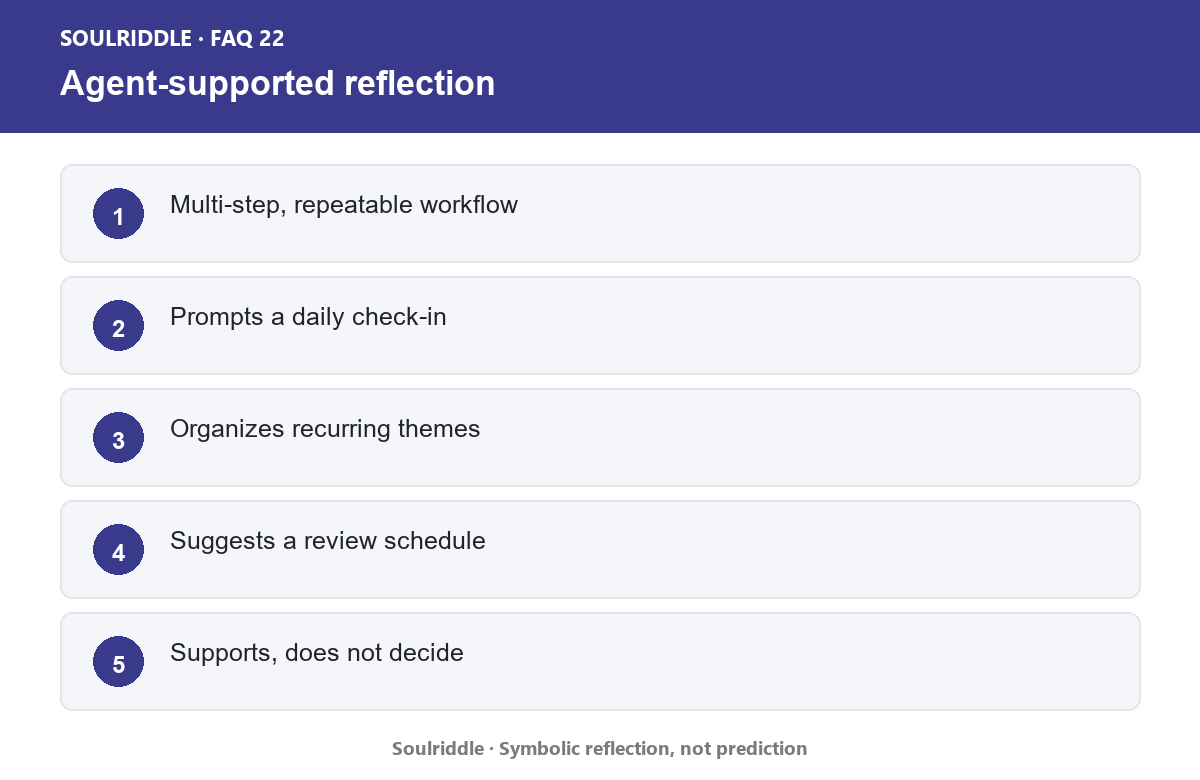
AI agents are systems designed to complete multi-step workflows, sometimes using tools within defined guardrails. In a reflection routine, an agent can prompt a short daily check-in, organize recurring themes, ask follow-up questions, and suggest a review schedule. It should support your reflection, not make personal decisions for you. The agent is most useful when its task is narrow, repeatable, and clearly bounded.

Why this matters

A daily reflection habit often fails because it requires remembering to start, staying consistent, and reviewing what accumulates. An agent can handle the structure: asking the same few questions, collecting answers, and summarizing patterns. That frees you to do the actual thinking. The key is to keep the agent in a support role so the routine remains yours rather than becoming an automated set of instructions you follow without judgment.

How to approach it

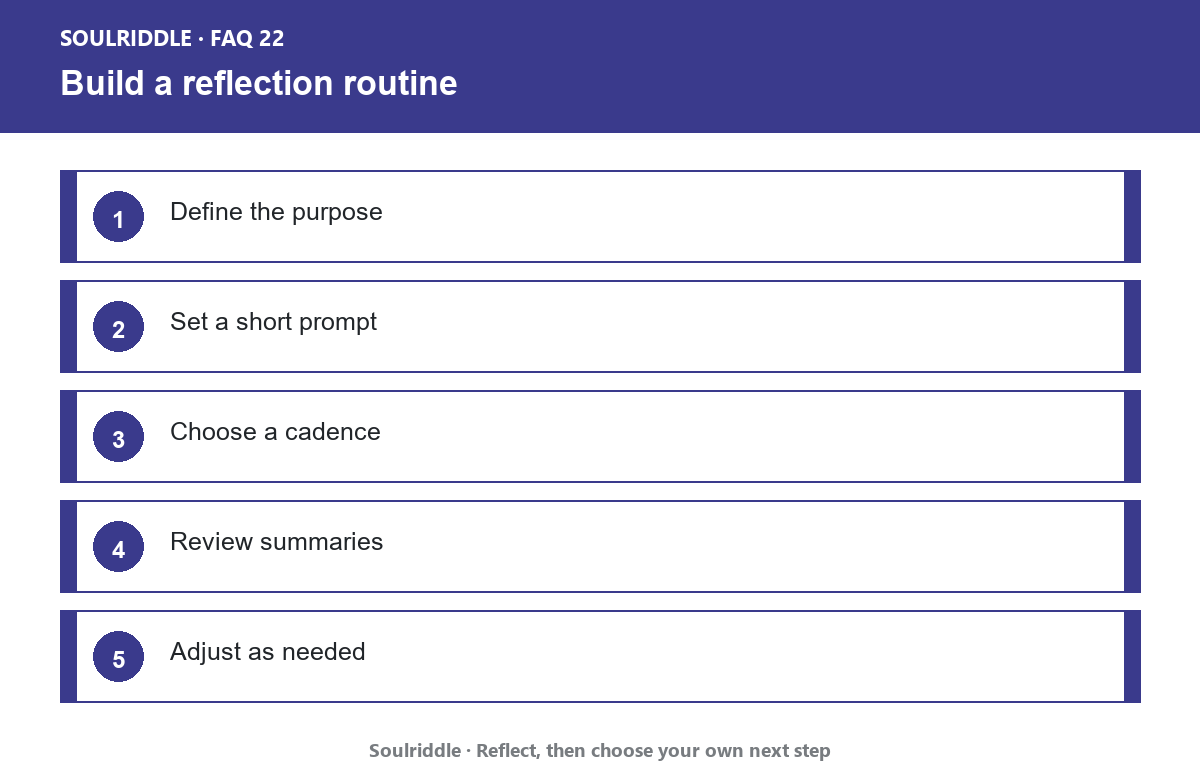
Define the purpose of the routine, such as noticing mood, tracking decisions, or reviewing a habit. Set a simple cadence and a short prompt, such as three questions about what happened, what mattered, and what you want to continue. Tell the agent what it may store, how long to keep it, and when to summarize. Review the summaries weekly and adjust the questions if they are no longer useful. Use privacy controls that match the sensitivity of what you share.
What Are AI Agents, and How Can They Support a Daily Reflection Routine?

Agent-supported reflection

What to avoid

Do not let the agent make decisions for you or turn reflection into an obligation you obey blindly. Avoid sharing sensitive personal, medical, financial, or third-party details unless the system is appropriate and you have reviewed its privacy practices. Do not rely on an agent to detect or manage a crisis. If a routine becomes stressful or compulsive, step back.
What Are AI Agents, and How Can They Support a Daily Reflection Routine?

Build a reflection routine

A prompt you can adapt

Act as my daily reflection assistant. Each day, ask me three short questions: What happened? What mattered? What is one small thing I want to continue or change? After seven days, summarize recurring themes without diagnosing me or telling me what to do.

Key takeaway

Key takeaway: An AI agent can make a reflection routine easier by handling the structure and summaries, while the thinking and decisions remain yours.

Source

Source page: Intelligent agent - Wikipedia

Open source page: view the linked page

Open source ↗
What Are AI Agents, and How Can They Support a Daily Reflection Routine?

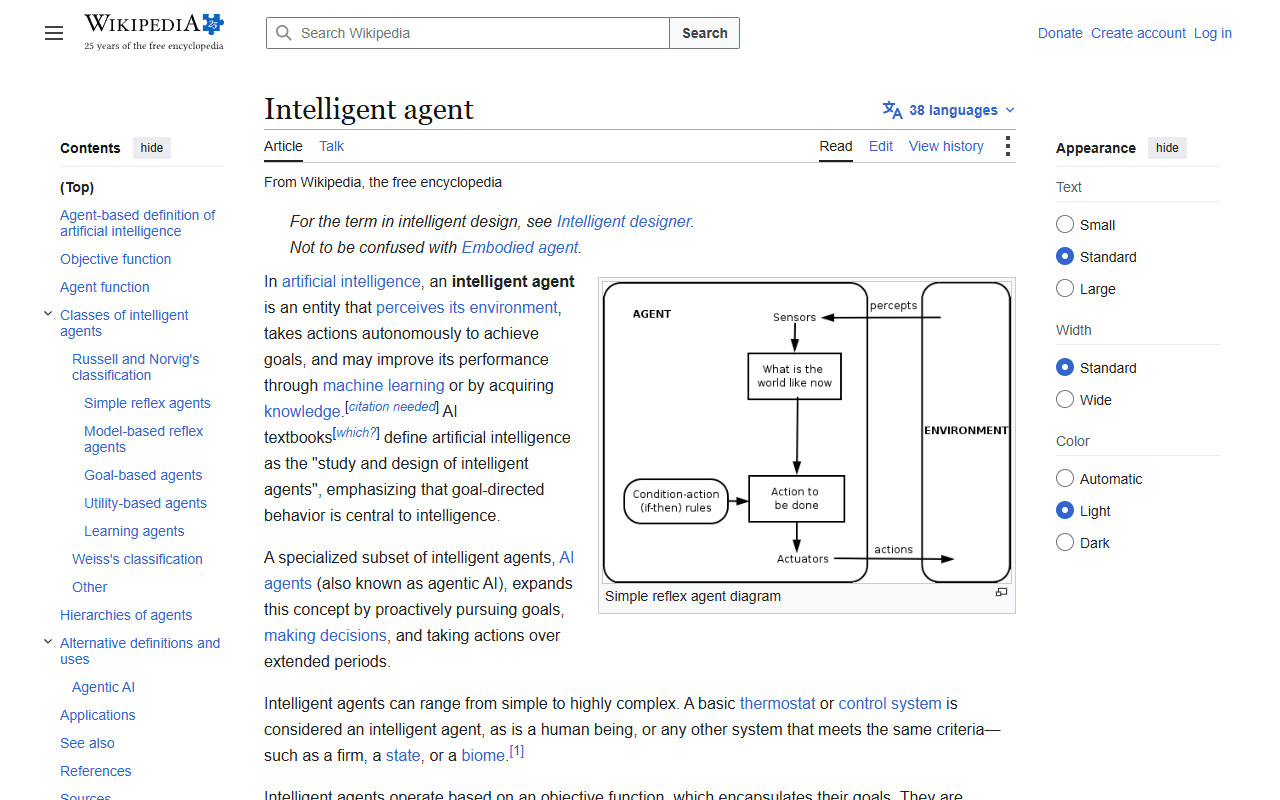
Source page screenshot: Intelligent agent - Wikipedia

Explore prompts

Put the guide into practice

Find a community prompt, then adapt it to the context you already have.

Browse all prompts →

In this answer

1. Short answer2. Why this matters3. How to approach it4. What to avoid5. A prompt you can adapt6. Key takeaway7. Source

Continue learning

What Are AI Divination Prompts?How to Use Tarot Prompts with ChatGPTI Ching vs. Tarot: Which Should You Choose?