SoulRiddle Learn
Practical perspectives, stories, and guides on using divination and AI as tools for insight, self-knowledge, and a more intentional life.
Browse every practical answer by topic. Each card opens the full guide directly.
Clearer questions, useful context, and thoughtful AI practice. · 7 guides

AI divination prompts are instructions that ask an AI to interpret symbolic material such as Tarot cards, an I Ching hexagram, birth-chart placements, numerology patte...

First decide what you need: an explanation, ideas, reflection, comparison, or a plan. A prompt that clearly states that goal, provides the necessary context, and speci...

A strong divination prompt names the practice or symbol, asks one focused question, gives relevant context, and requests a clear response format. It also sets a bounda...

Include only details that materially affect the answer, such as your general situation, timeframe, goals, chosen symbols, and preferred tone. You usually do not need y...

Keep the useful structure, then replace generic placeholders with your own goal, non-sensitive context, timeframe, and preferred output format. Remove instructions tha...

A community prompt is worth testing when its purpose is clear, it requests no unnecessary sensitive data, and it explains the kind of output you can expect. Test it wi...

AI agents are systems designed to complete multi-step workflows, sometimes using tools within defined guardrails. In a reflection routine, an agent can prompt a short...
Tarot, astrology, numerology, and symbolic traditions. · 8 guides
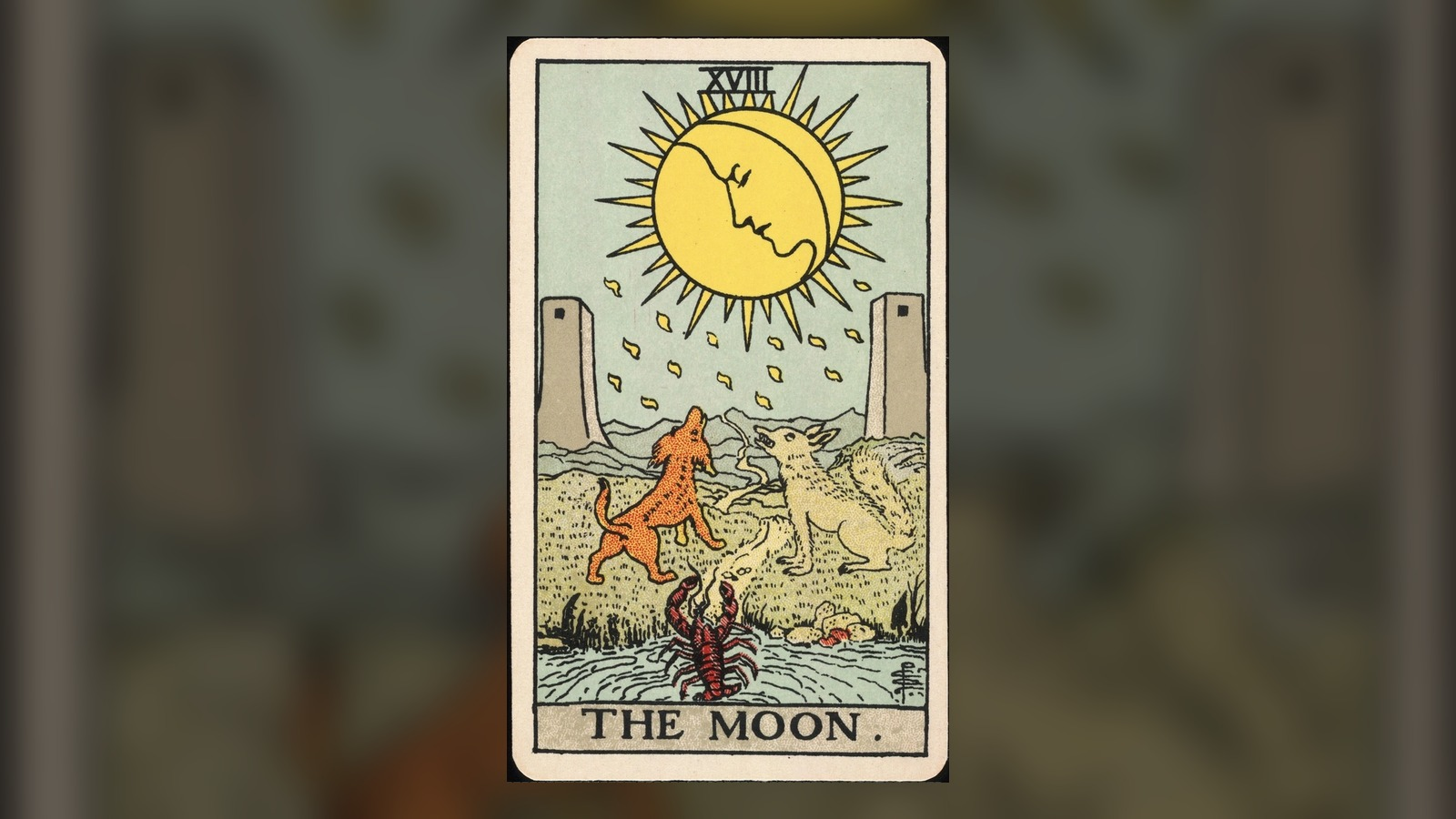
Start with one focused question, then draw the cards yourself or use a transparent random draw. Tell ChatGPT the deck, the card names, their positions in the spread, a...
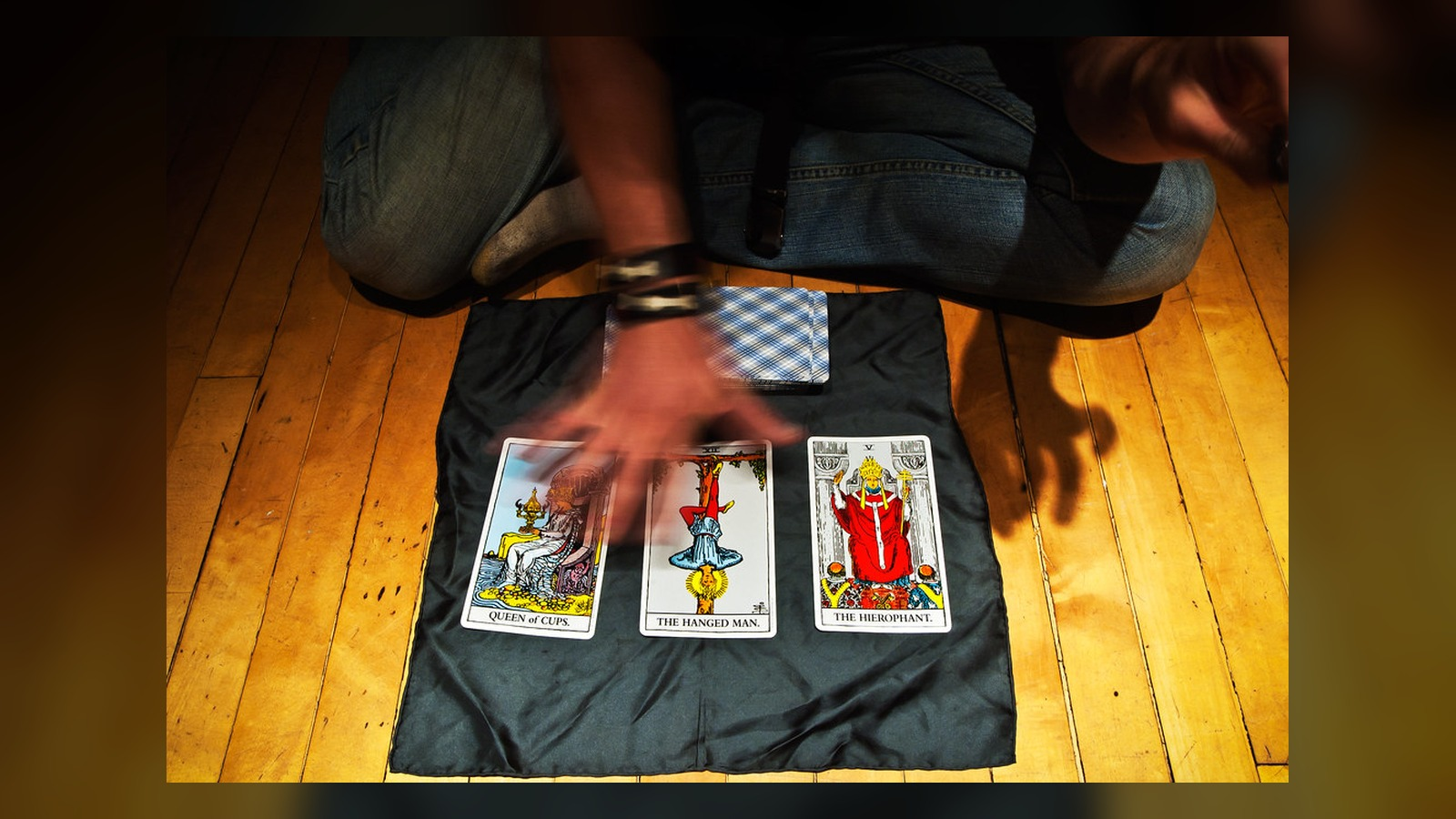
A Tarot spread is a card layout in which each position has a role, helping you connect several cards to one question. Beginners often start with three cards because th...
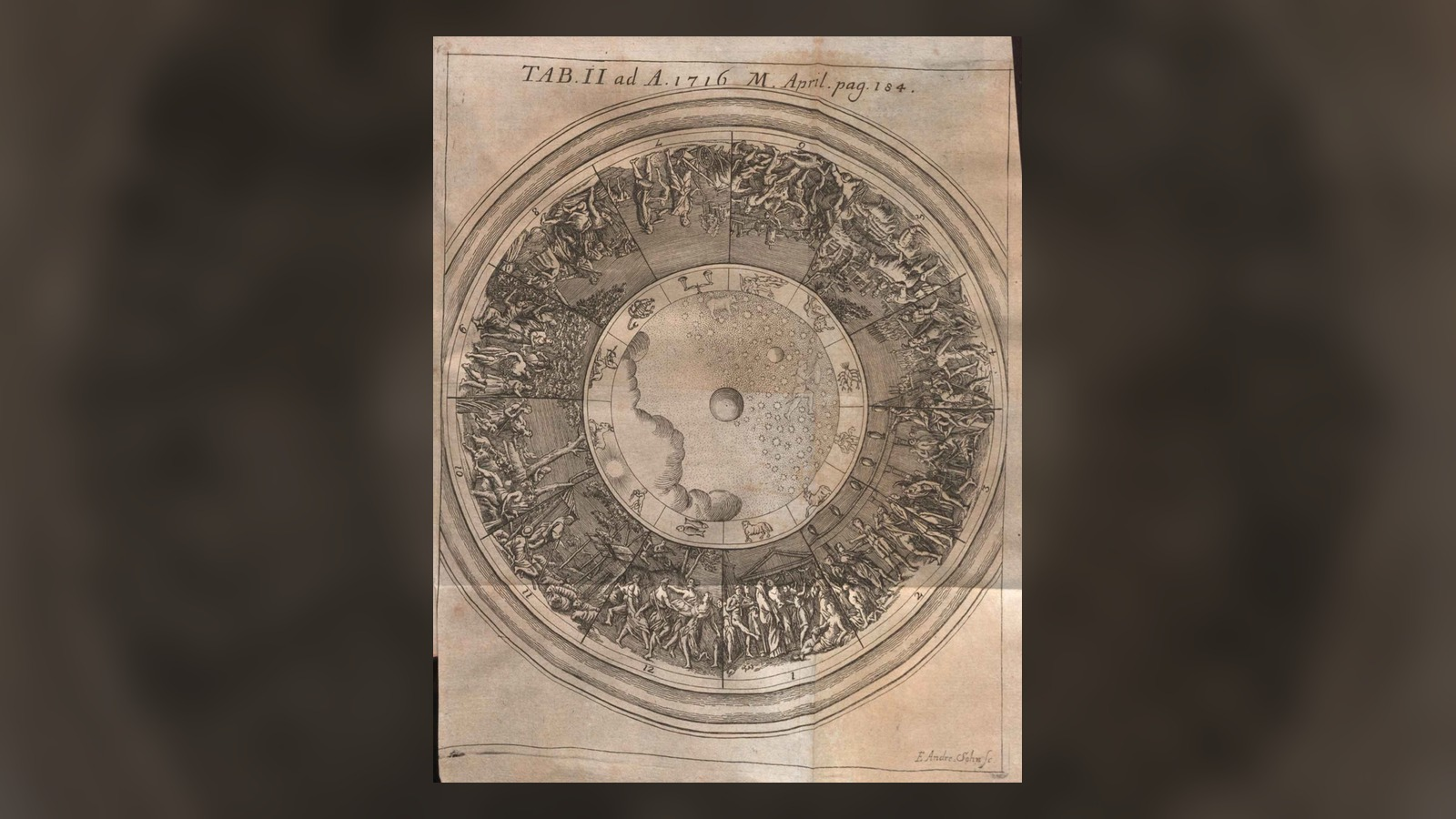
Include your birth date, local birth time, and birthplace. State whether the birth time is exact, estimated, or unknown, because an uncertain time can change the Ascen...
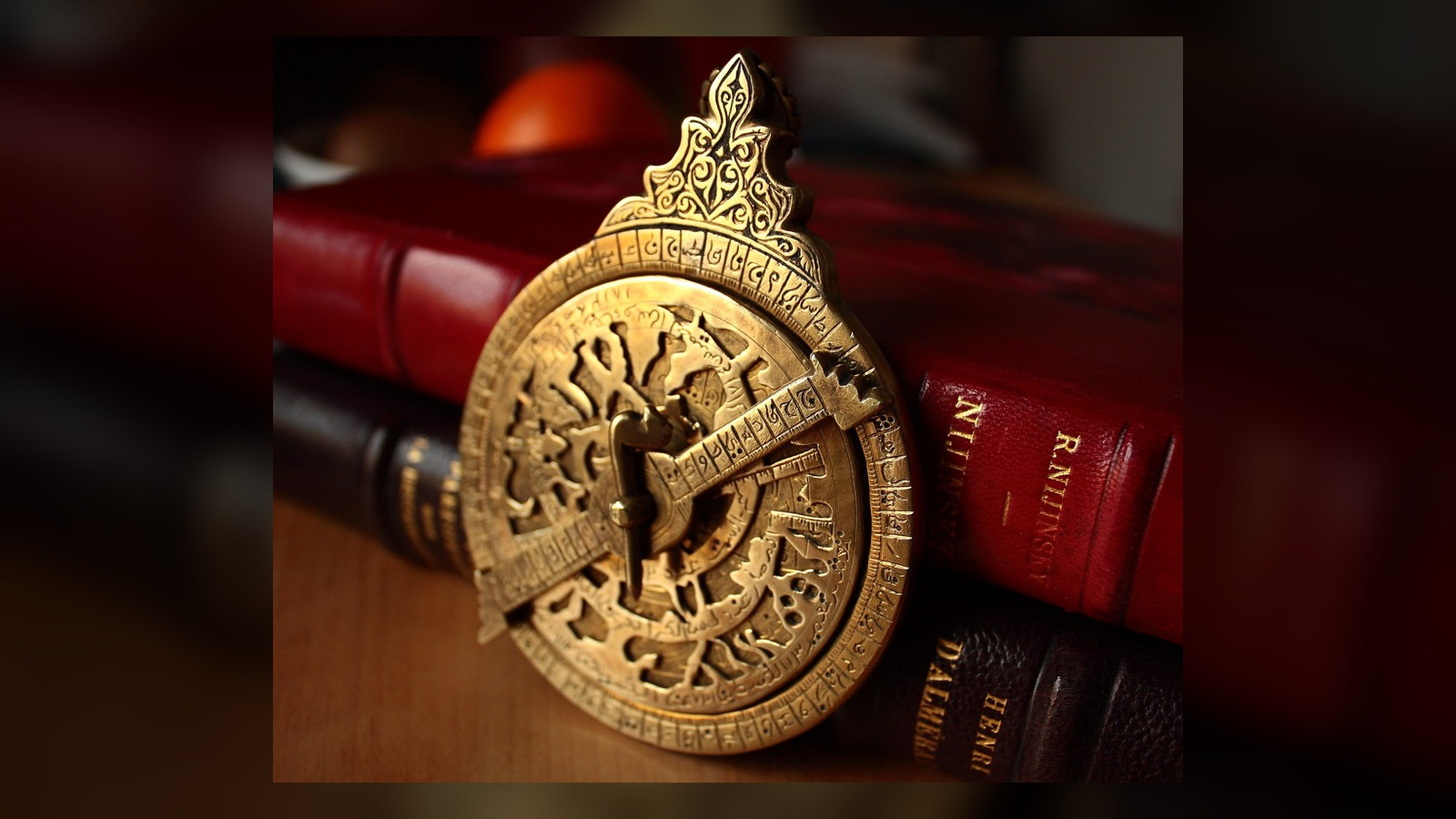
A natal chart is fixed to your birth date, time, and place. In Western astrology, transits compare current planetary positions with points in that natal chart, so they...
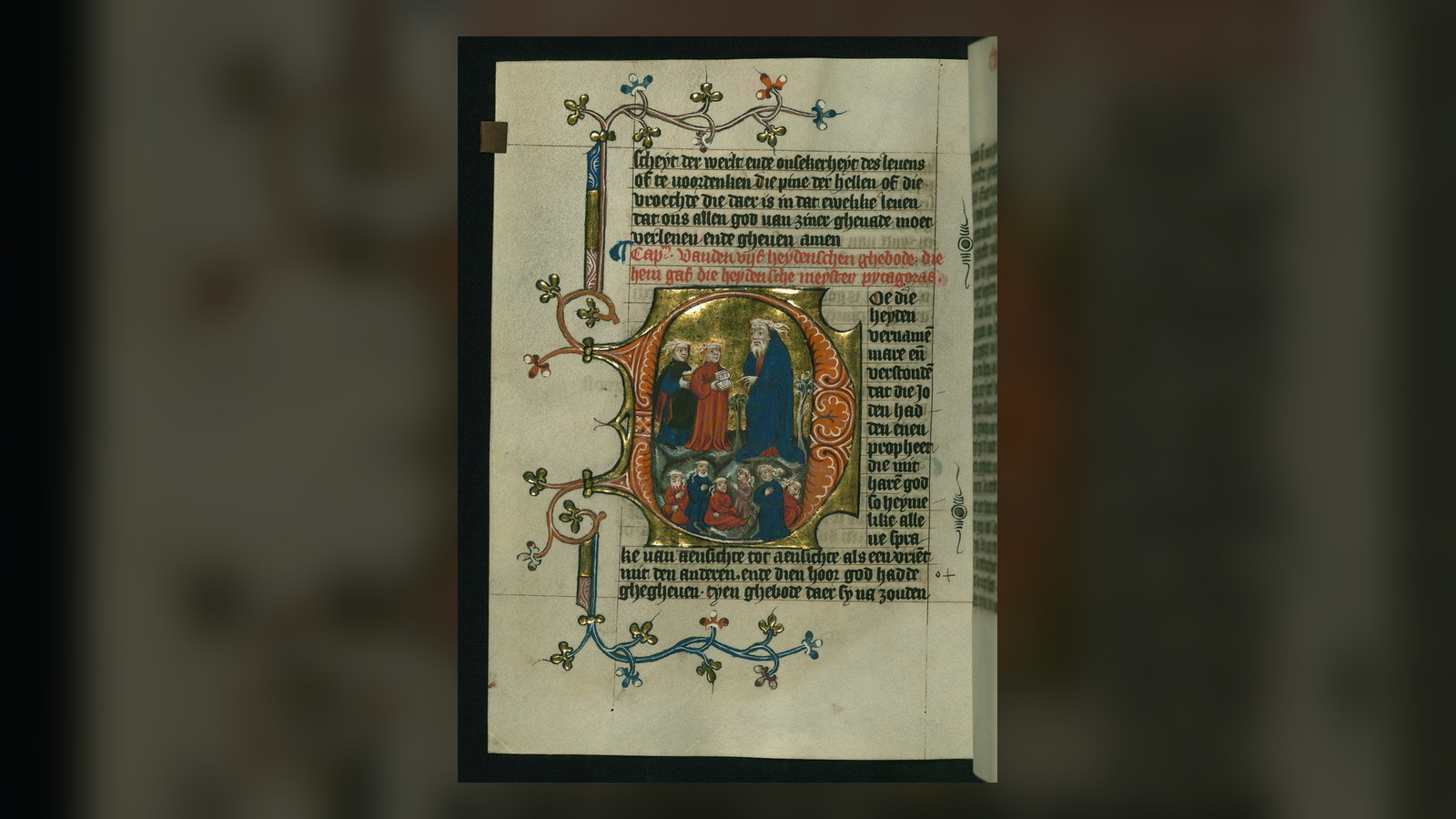
Yes. AI can calculate a numerology system, explain its conventions, and turn results into neutral journaling questions. It should use conditional language and avoid sa...
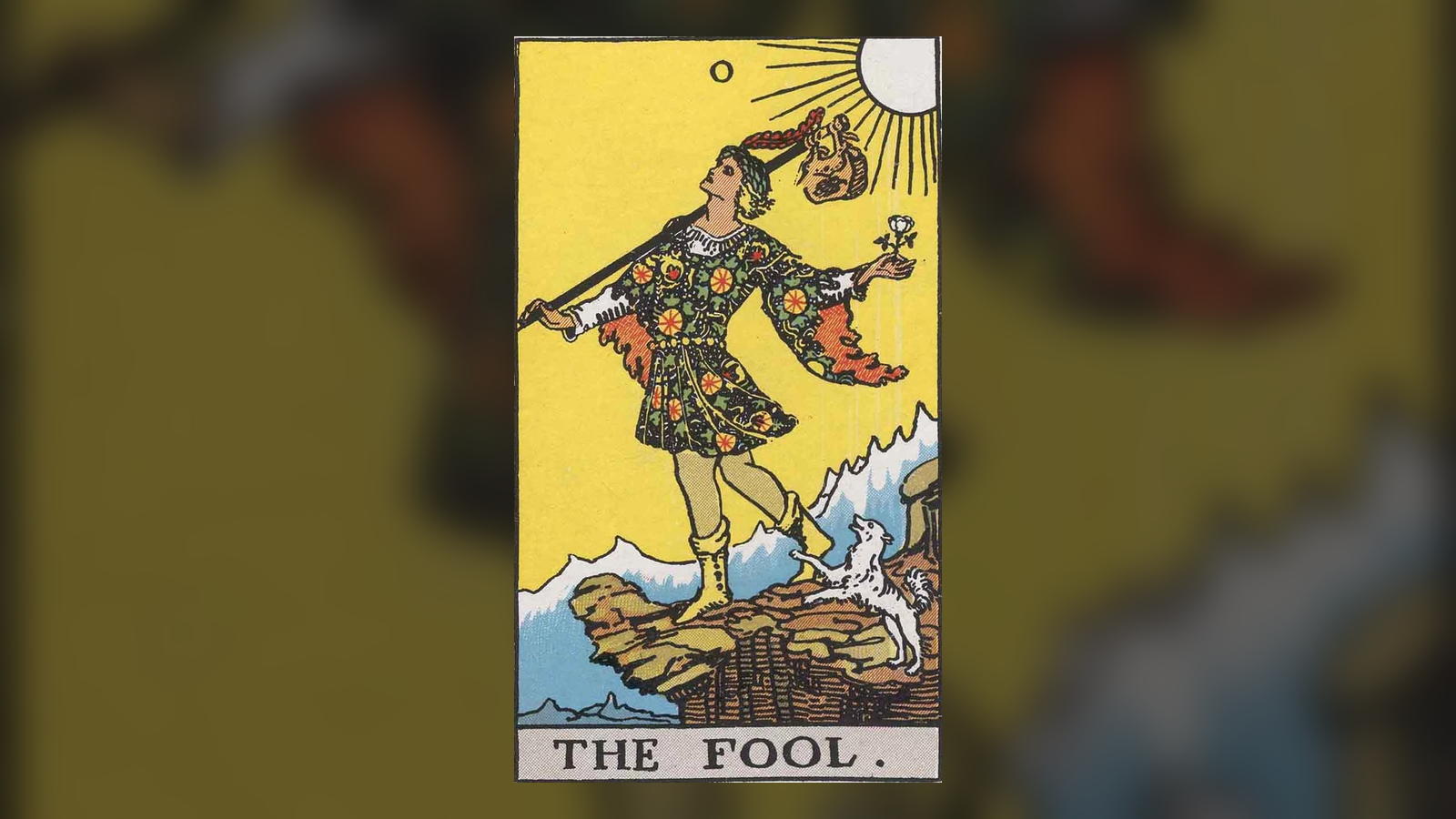
AI can explain a card's common imagery and traditional meanings, relate it to a question you provide, and suggest reflective prompts. It works best as a study or journ...
AI can support study by comparing a Major Arcana card's larger symbolic theme with a Minor Arcana card's everyday context. It can explain suits, numbers, and court car...
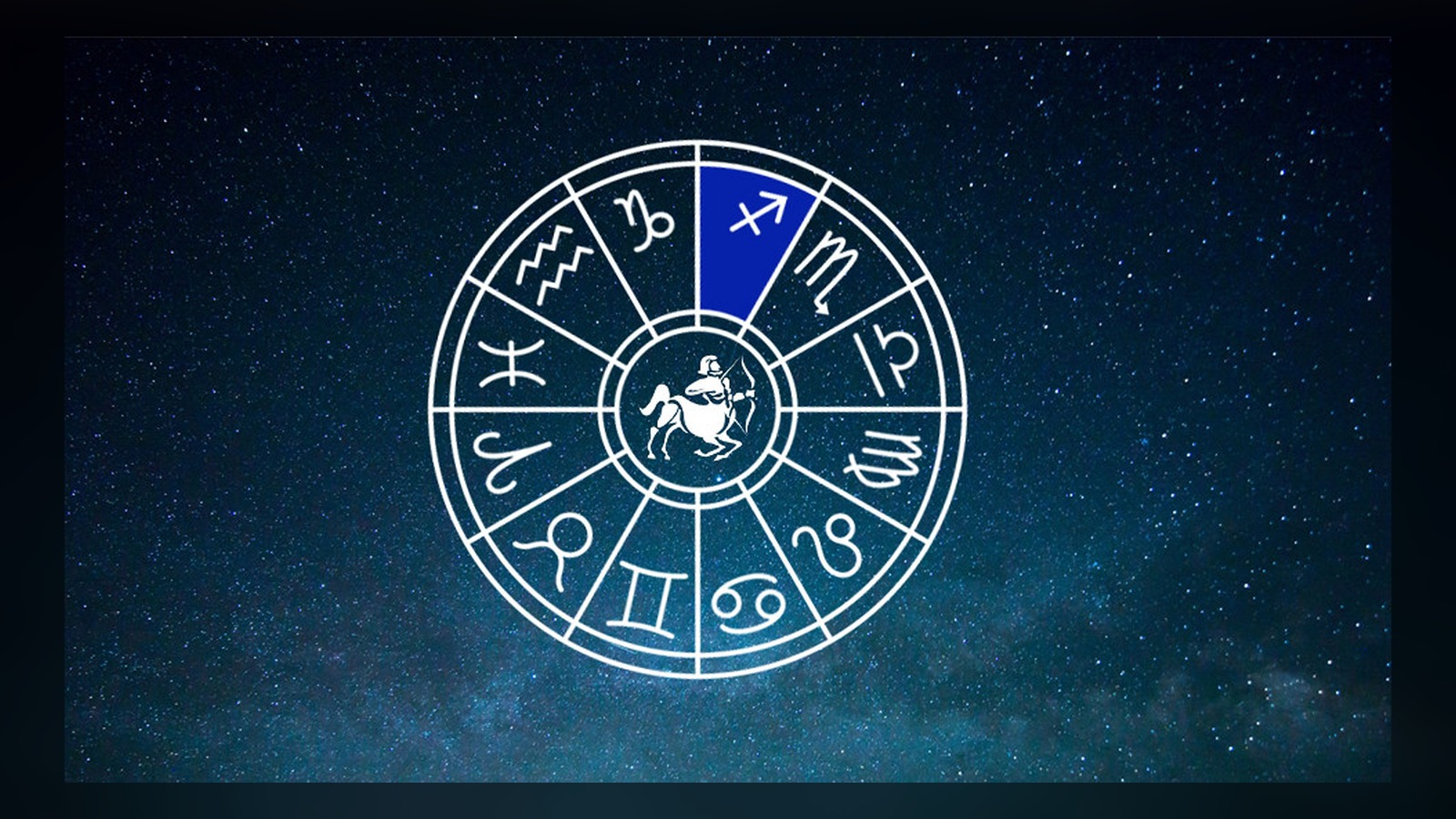
Synastry is comparative astrology that places two natal charts together to explore relationship themes. AI can organize chart data, define terms, and suggest respectfu...
I Ching and BaZi explained with care and context. · 5 guides
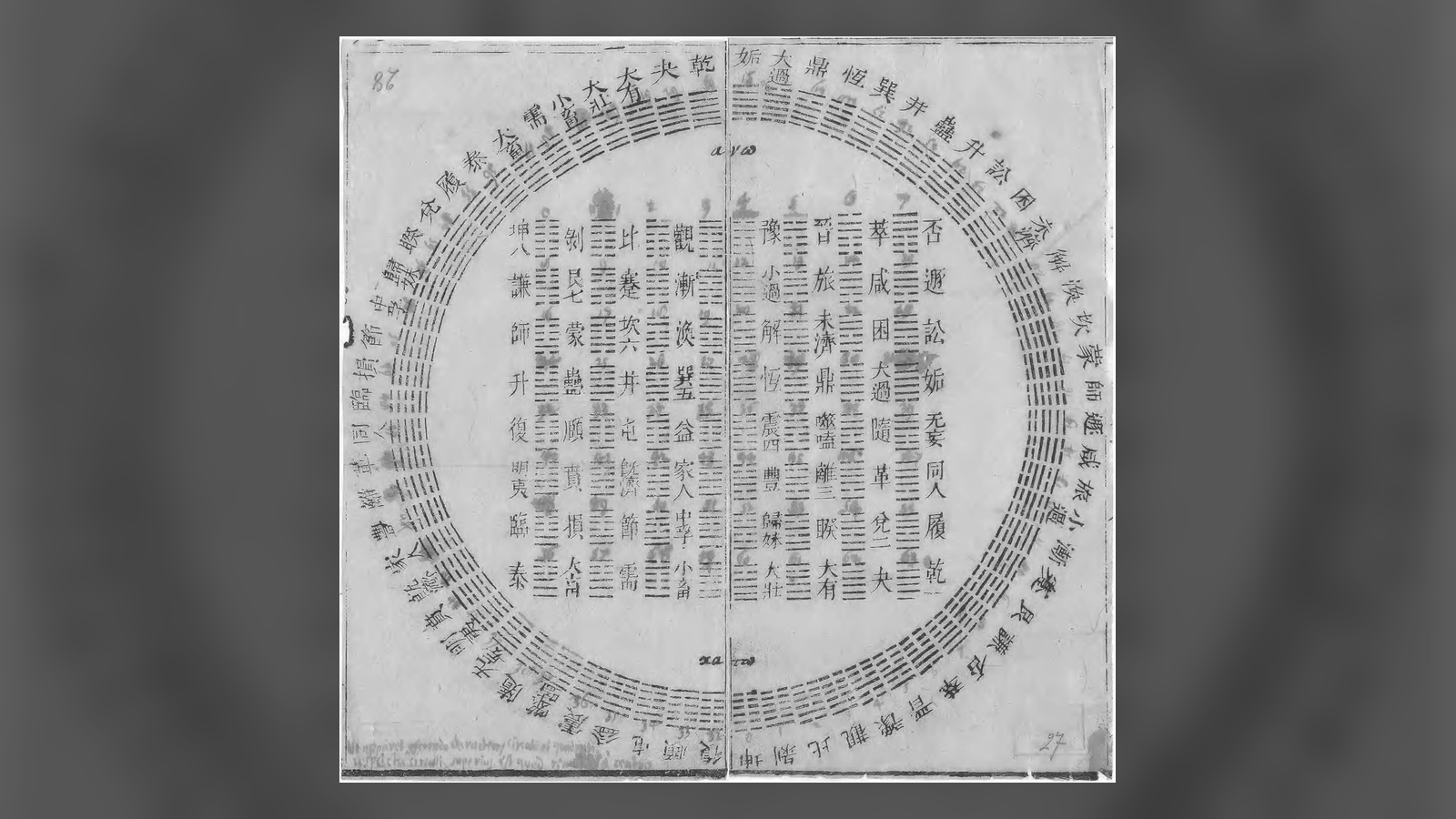
Choose Tarot if visual symbols, card combinations, and open-ended reflection feel helpful. Tarot gives you images, positions, and relationships between cards that can...
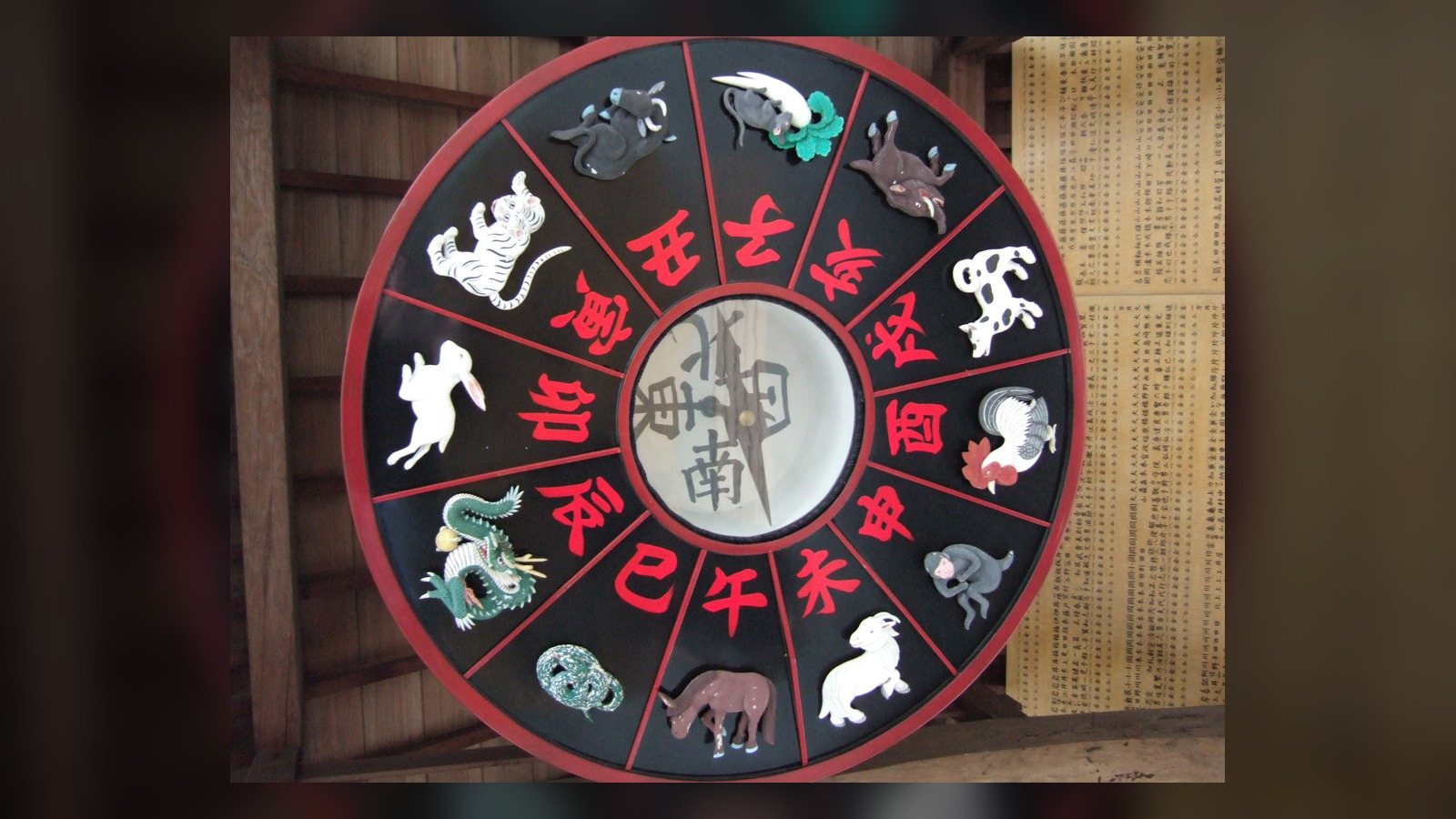
BaZi, also called the Four Pillars of Destiny, is a traditional Chinese metaphysical system. It converts the year, month, day, and hour of birth into four pairs of Hea...
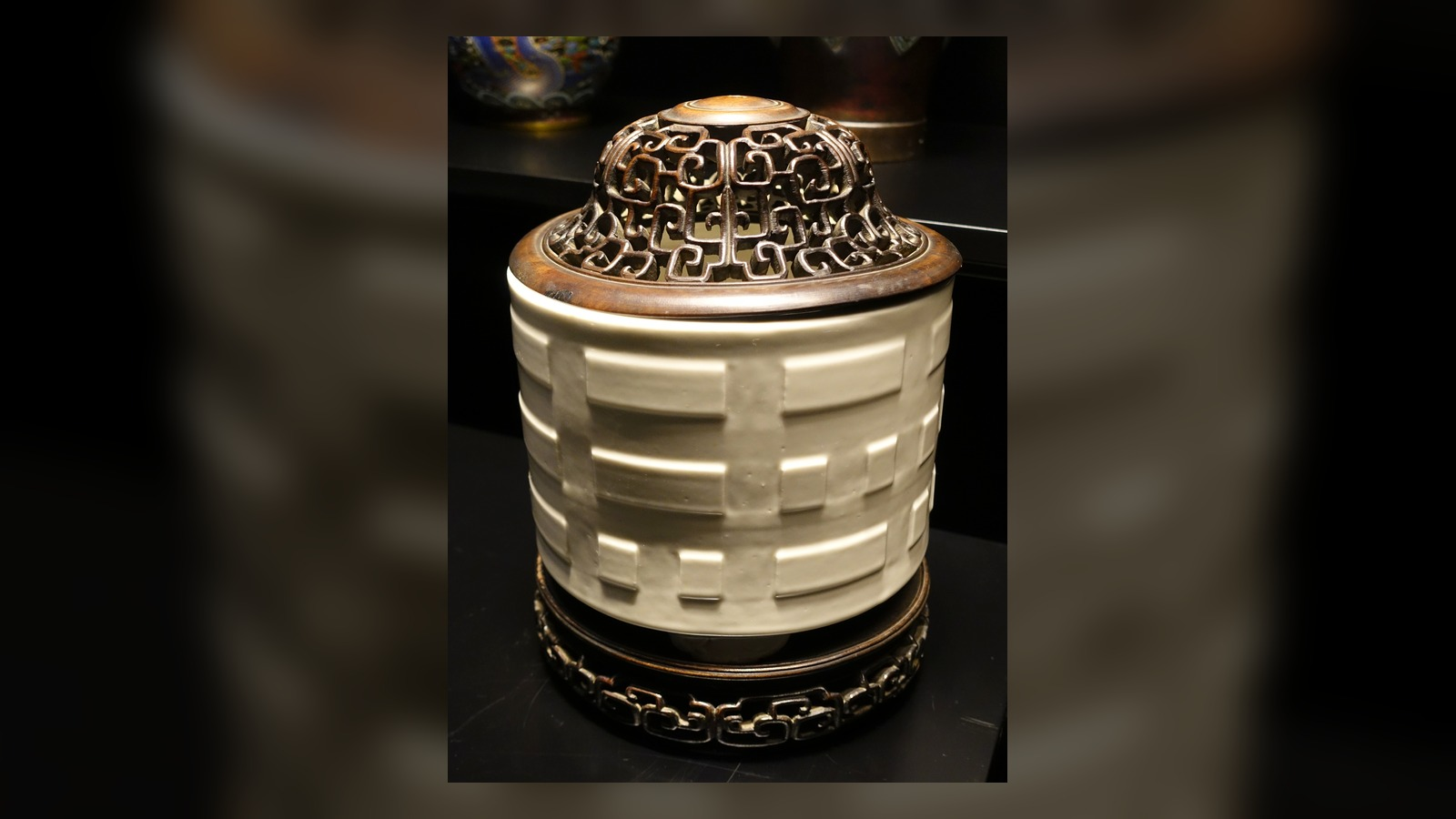
Begin with the real situation. Briefly identify the facts, hopes, fears, and decision involved. Then ask one open, focused question, such as What do I need to understa...
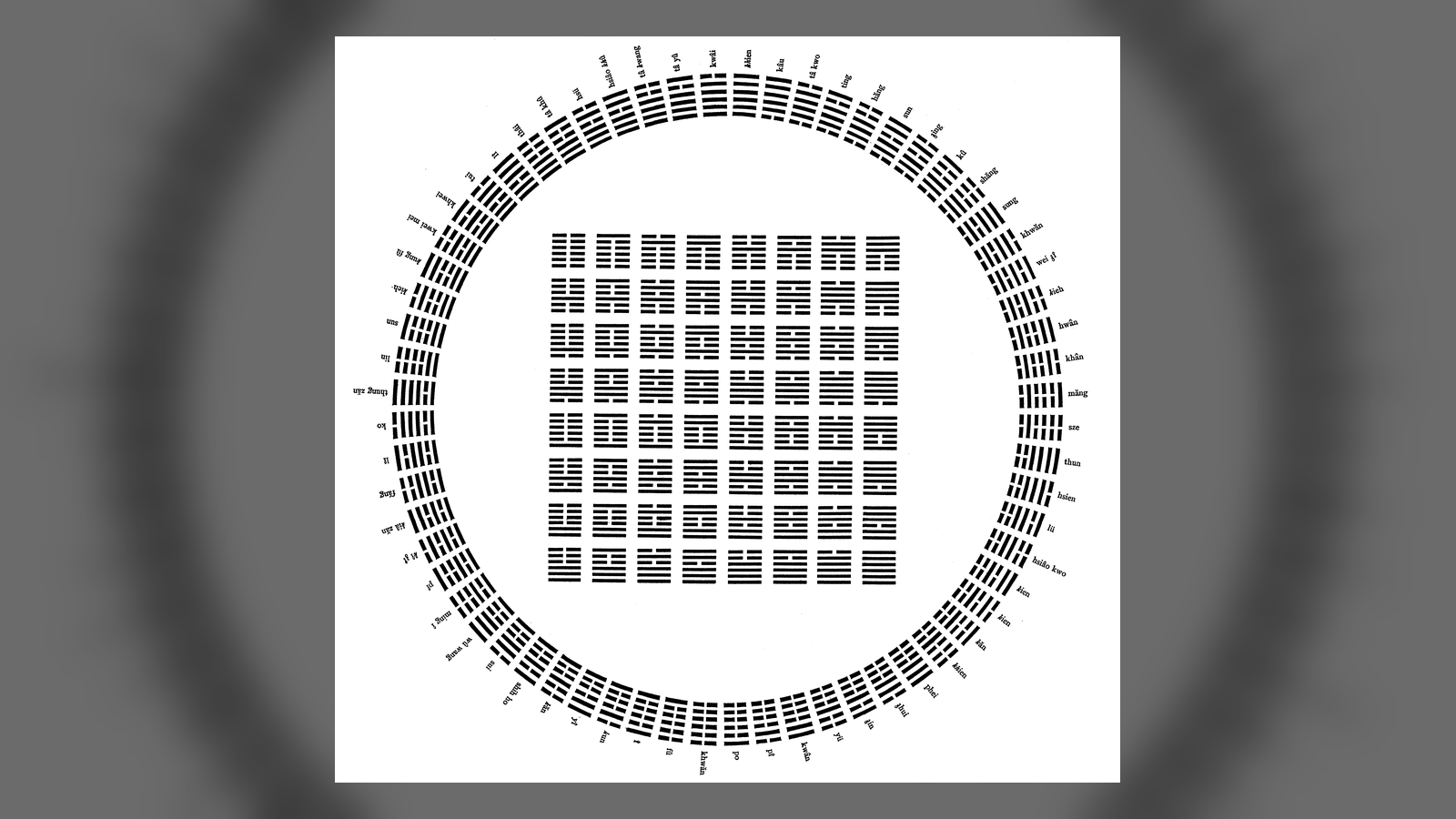
Changing lines are the active lines in a hexagram. They shift from yin to yang, or from yang to yin, and lead to a related hexagram. Read the original hexagram as the...
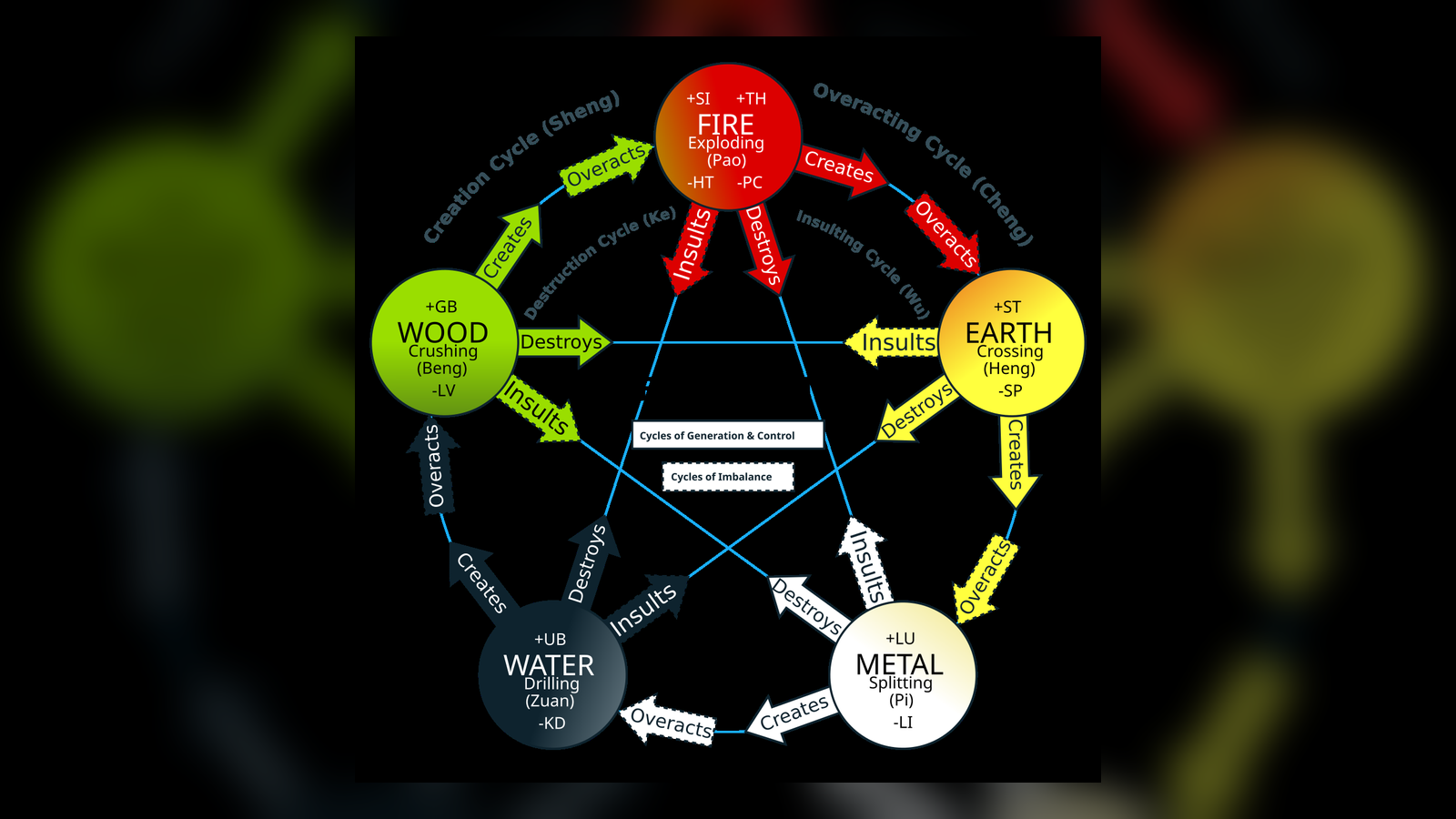
BaZi and Western astrology use different symbolic systems. BaZi works with the year, month, day, and hour pillars, Heavenly Stems, Earthly Branches, Yin-Yang, and Five...
Turn insight into grounded action while protecting your boundaries. · 5 guides
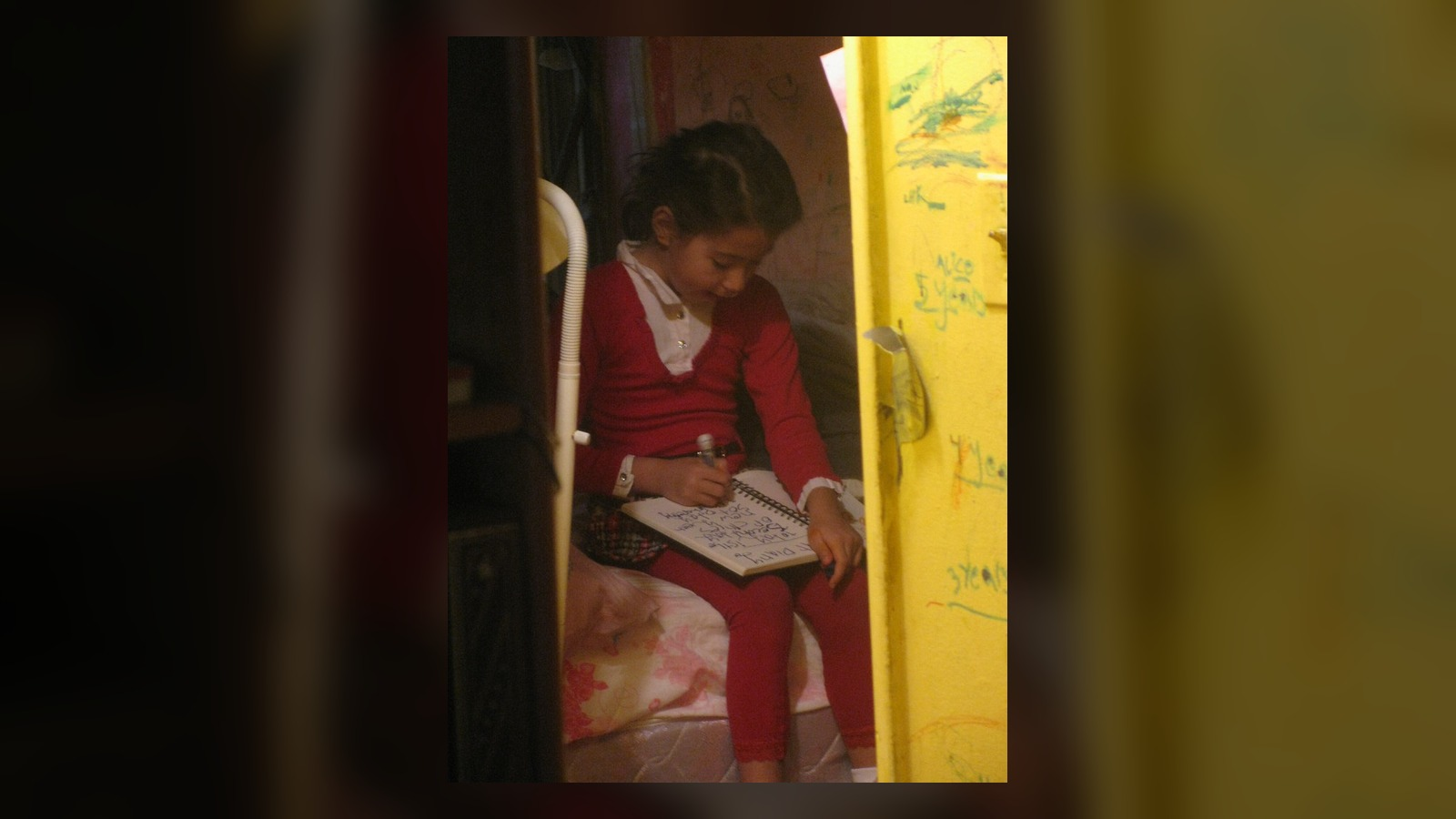
Use AI as a journaling partner rather than a therapist or decision-maker. Describe an experience in neutral terms, ask the AI to identify possible assumptions or sugge...
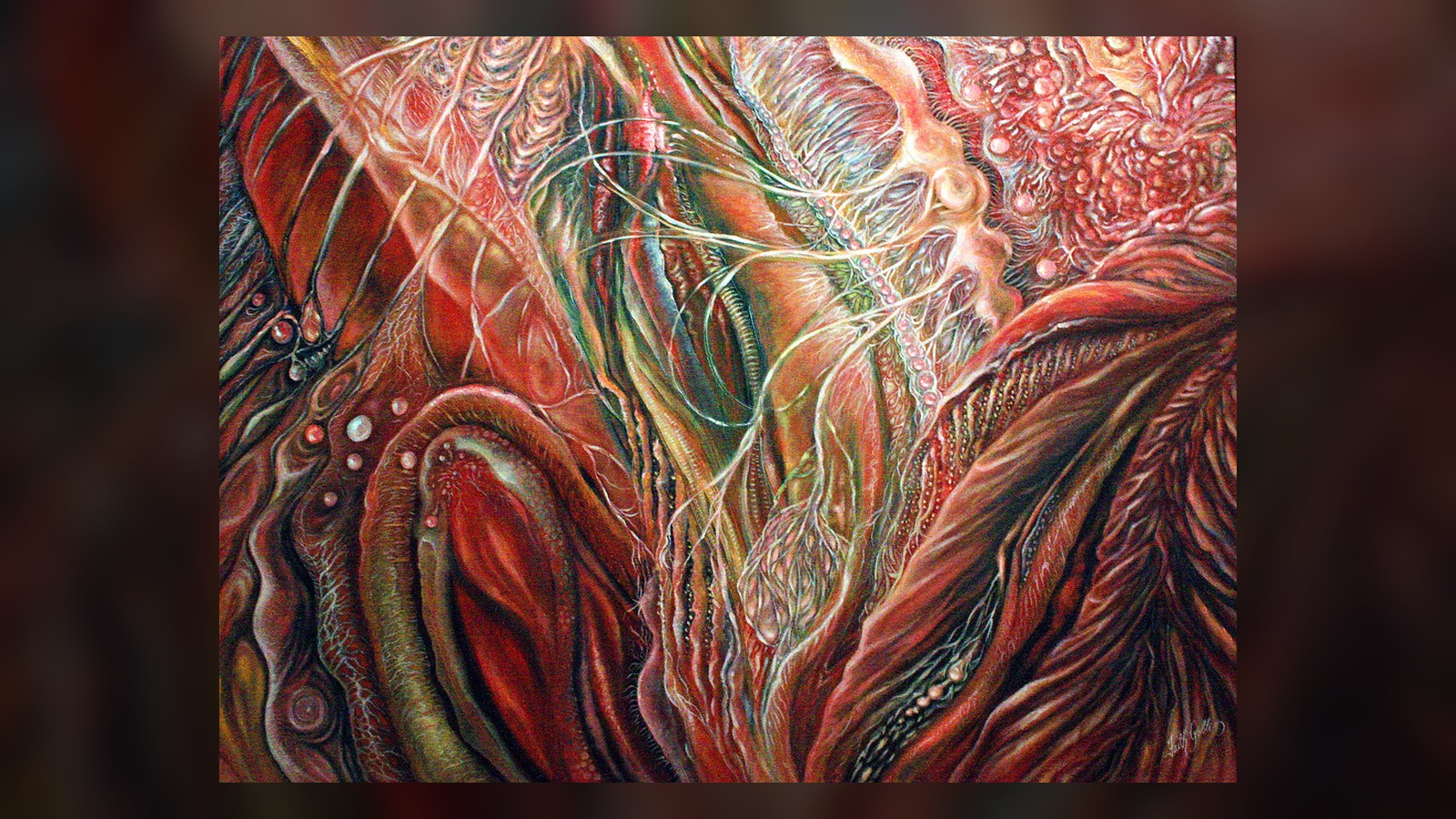
AI can help you record dream details, identify emotions, notice recent-life context, and suggest several tentative questions. Keep every interpretation personal and op...

Choose one theme that feels useful and turn it into one small action with a clear deadline. Replace I should be more confident with something observable, such as I wil...

AI can generate fluent interpretations, yet it does not establish supernatural truth, know the future, or understand your life with human judgment. Its answers can be...

Share the minimum context needed and remove names, precise locations, contact details, passwords, government IDs, financial records, health information, and third-part...
Find a community prompt, then adapt it to the context you already have.