Soulriddle FAQ · 12 of 25
How Do You Ask a Clear Question for an I Ching Reading?
A practical, beginner-friendly answer for using AI and divination as a tool for reflection.
Short answer
Begin with the real situation. Briefly identify the facts, hopes, fears, and decision involved. Then ask one open, focused question, such as What do I need to understand about this situation? or What is the wisest way to respond? Leave room to reflect instead of trying to force a yes-or-no prediction. The I Ching tends to respond more usefully when the question points toward understanding and wise action than when it demands a fixed answer.
Why this matters
A loaded or yes-or-no question narrows the reading before it begins. It can hide the actual concern and produce an answer that feels like a verdict rather than a perspective. Taking time to find the real question helps you notice what you already know, what you fear, and what you actually need to decide. The clearer the question, the easier it is to connect the hexagram and changing lines to your situation.
How to approach it
Write the situation in a few sentences without judging it. Then list the facts, hopes, fears, and the decision that is causing tension. Look for the question underneath the first question. Reframe it as an open inquiry about understanding or response. Use that single question in your prompt and ask the AI to interpret the hexagram in relation to it rather than to deliver a yes-or-no outcome.
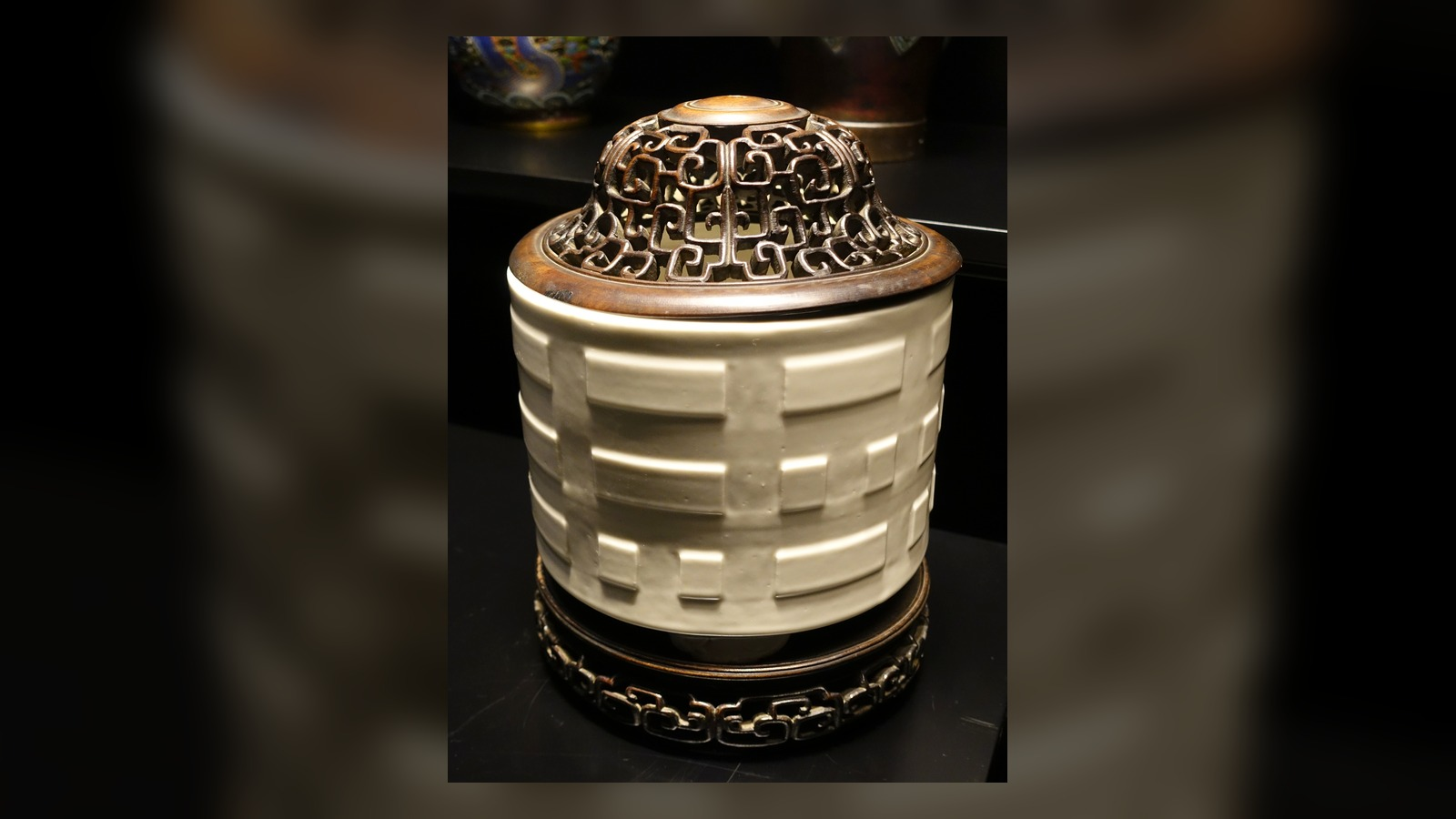
Open-license image: File:Incense burner with I Ching trigrams, China, Qing dynasty, Daoguang period, 1821-1... — Daderot — CC0. Source: wikimedia; full credit in 图片来源与授权.csv.
What to avoid
Do not ask questions that begin with a forced yes or no unless the purpose is genuinely about a binary choice. Avoid hiding the real concern inside a hypothetical or vague question. Do not pile several questions into one cast. If the question is medical, legal, financial, or safety-related, use it only as a prompt for reflection and seek appropriate human advice.
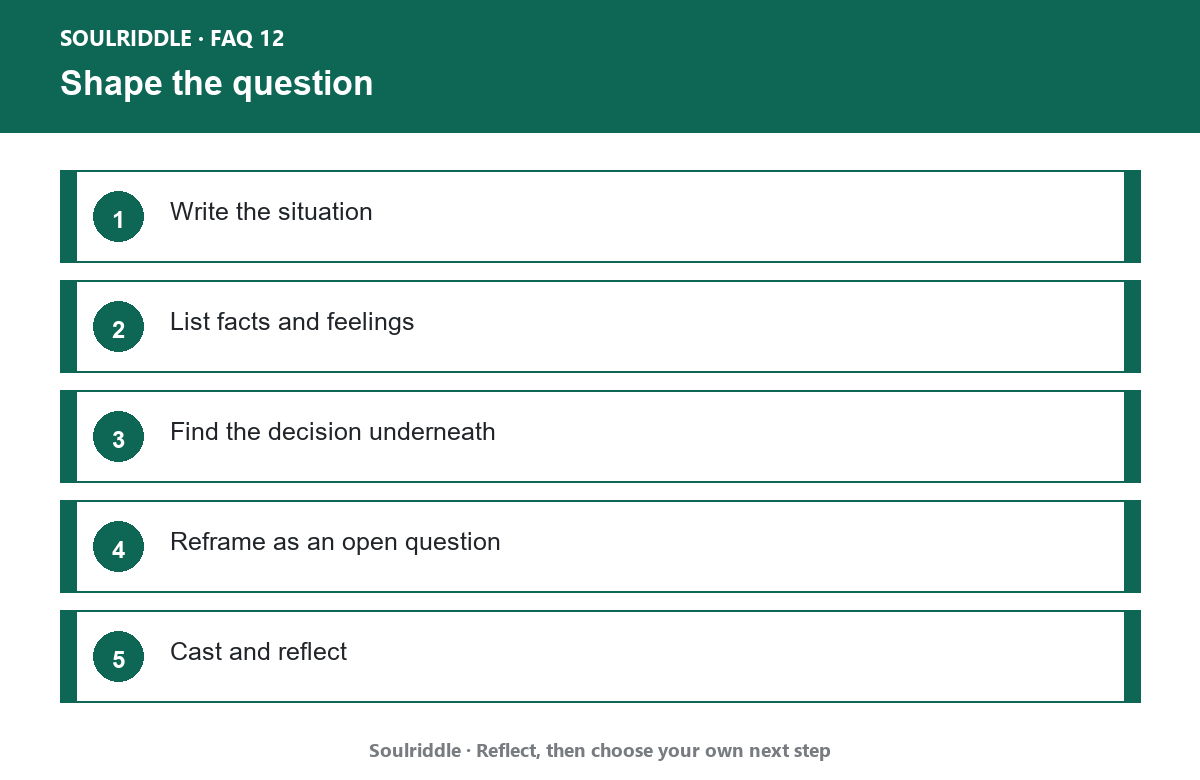
Shape the question
A prompt you can adapt
I am facing this situation: [brief facts, hopes, fears, and decision]. My question is: What do I need to understand about this situation, and what is the wisest way to respond? Please interpret [hexagram and changing lines] in relation to that question and offer two possible perspectives.
Key takeaway
Key takeaway: A clear I Ching question comes from naming the facts, hopes, fears, and decision, then asking one open question about understanding or wise action.
Source
Source page: I Ching with Clarity: Finding Your Real Question (practice guide)
Open source page: view the linked page
Open source ↗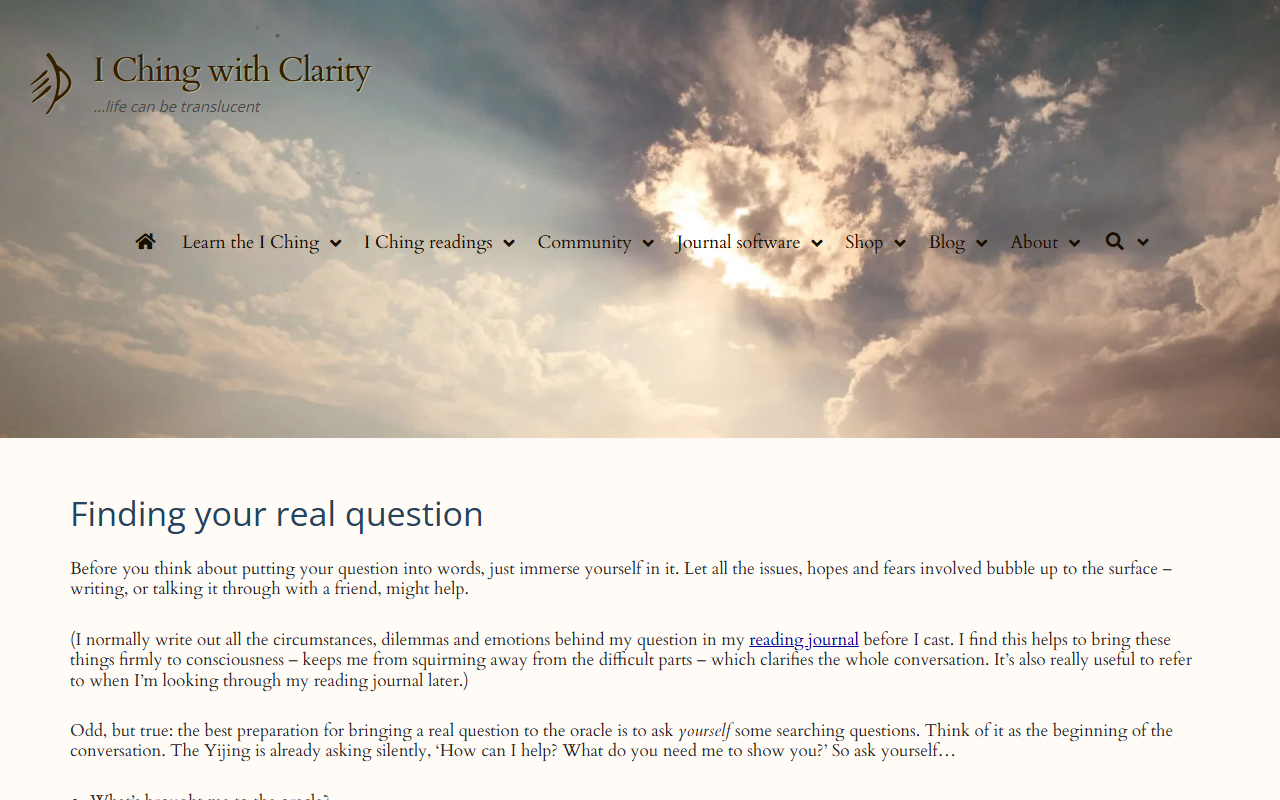
Source page screenshot: I Ching with Clarity: Finding Your Real Question (practice guide)